

Desert Online General Trading LLC
Dubai, United Arab Emirates
Desert Online General Trading LLC
Dubai, United Arab Emirates
Full description not available
W**L
Perfect!
The quality and content were great!
M**E
Five Stars
Fantastic book
T**Z
Not what I expected
Wasn't what I wanted
D**S
Love It
Love It
R**N
True covers with plenty of dames
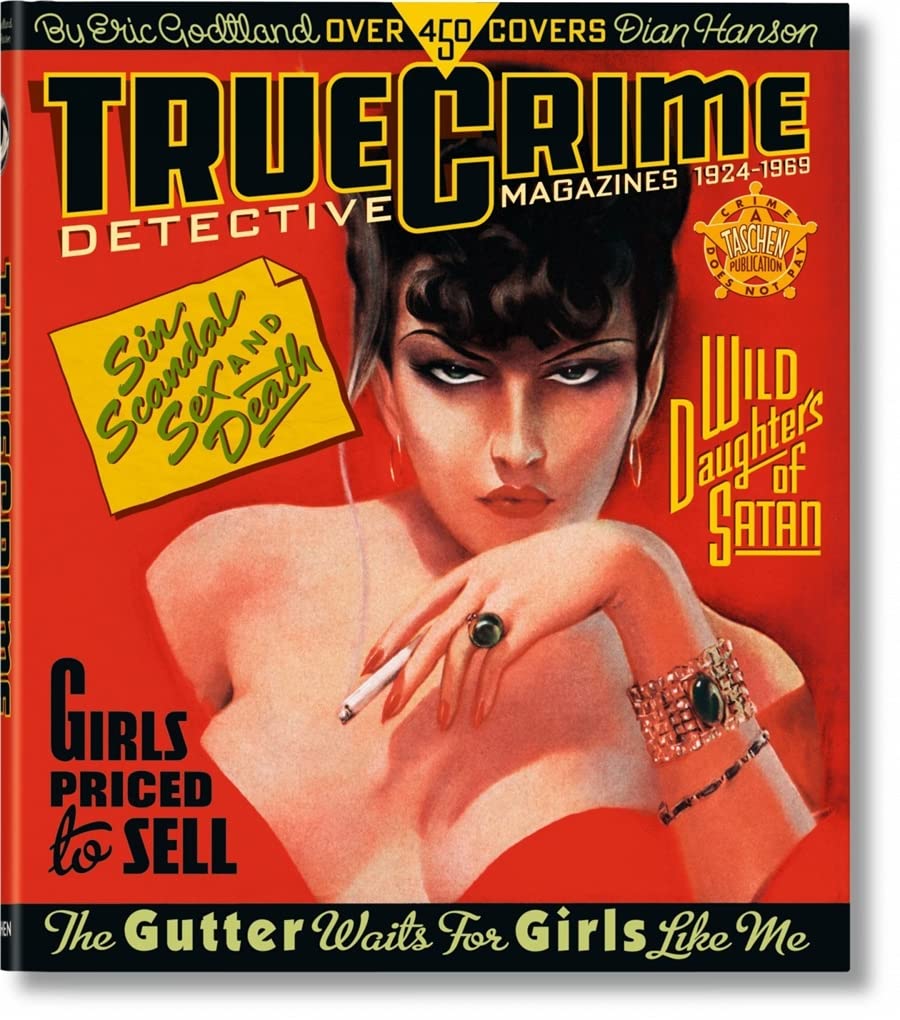
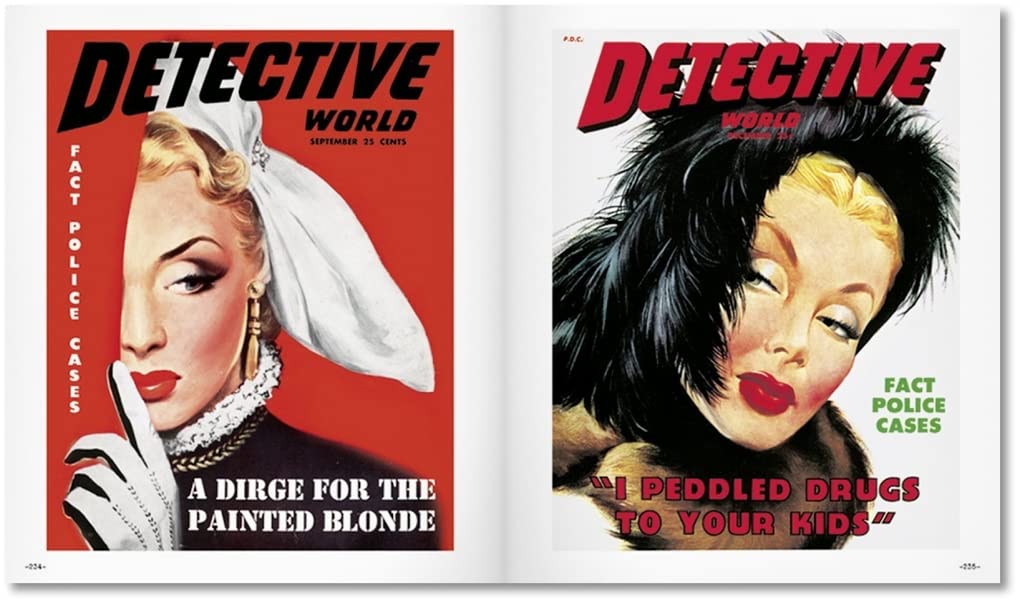
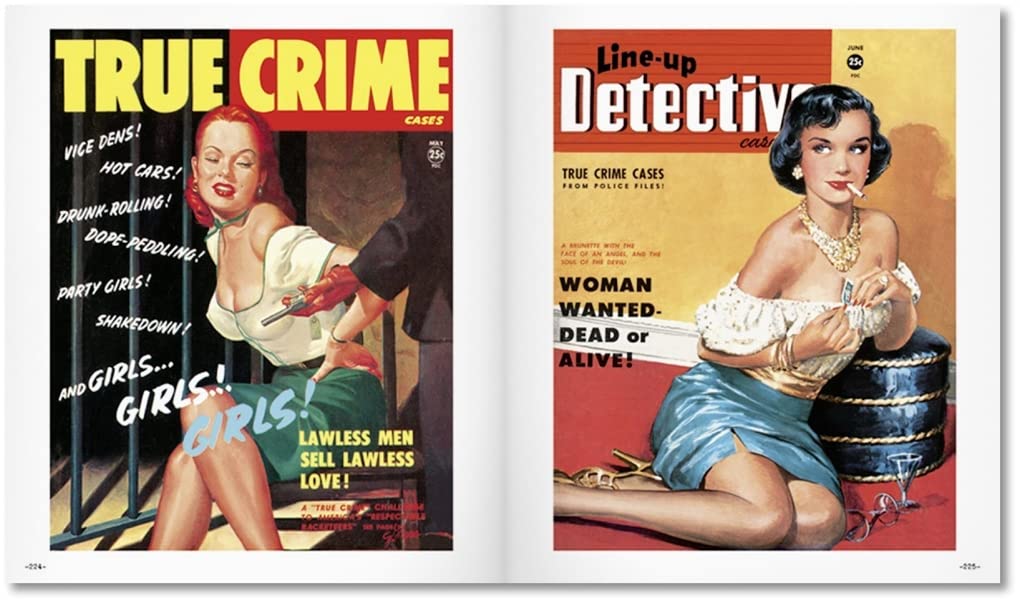
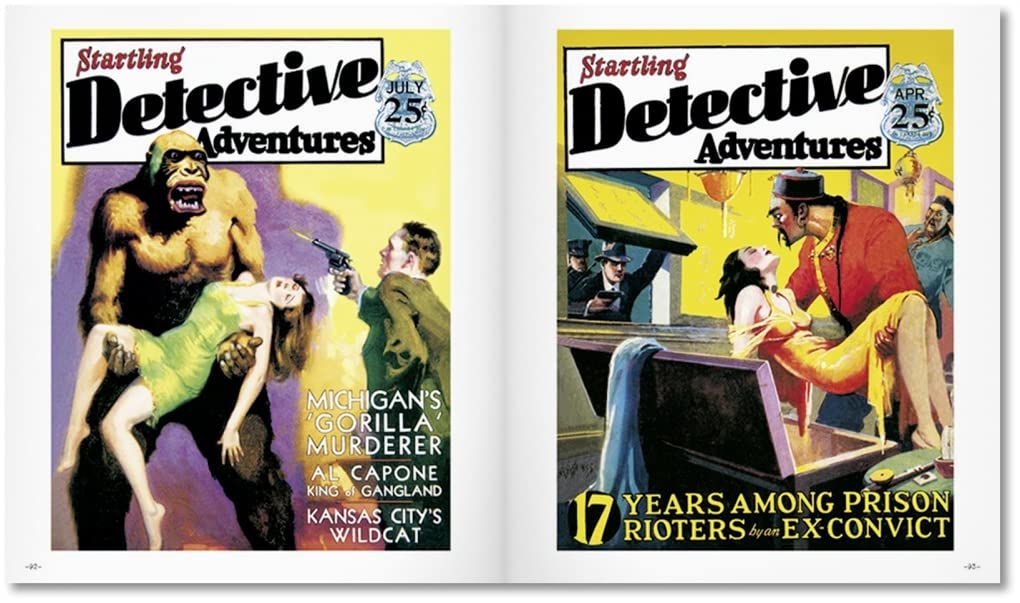
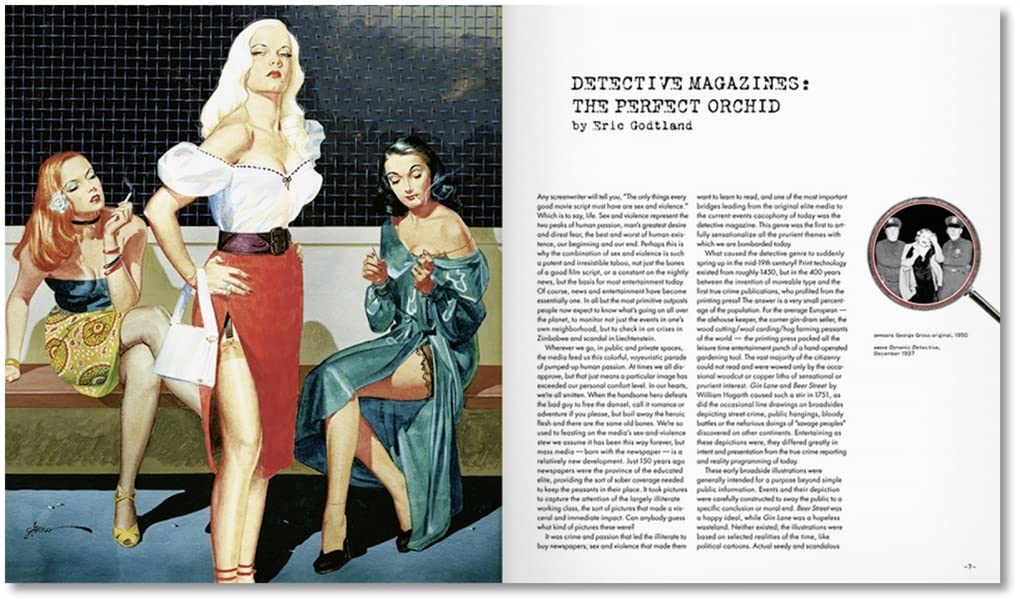
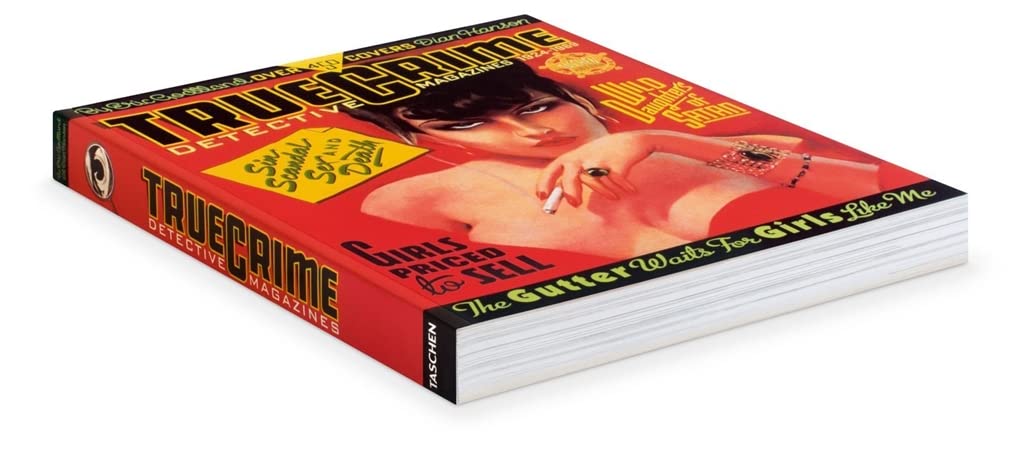
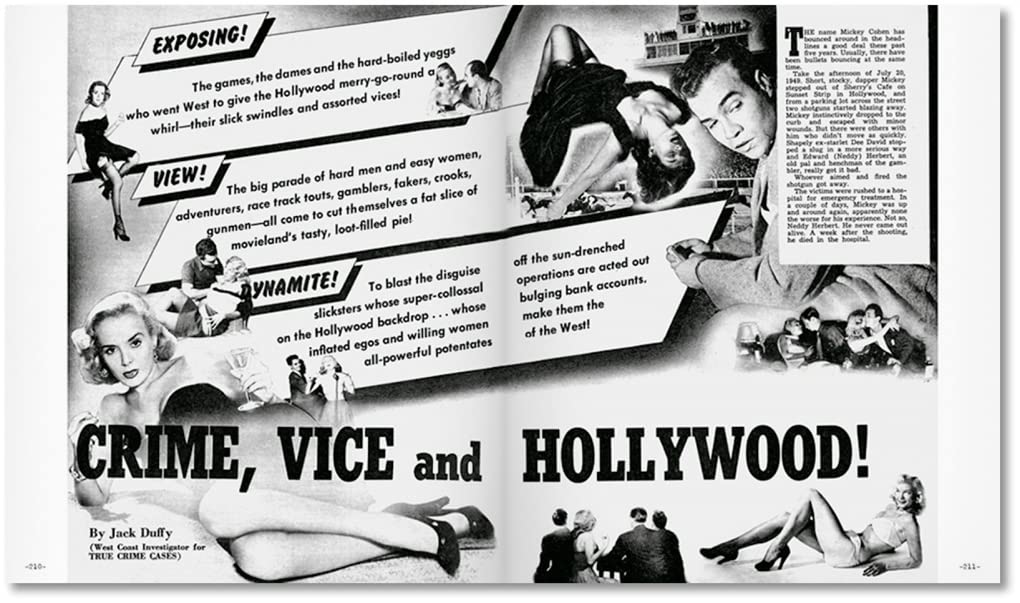
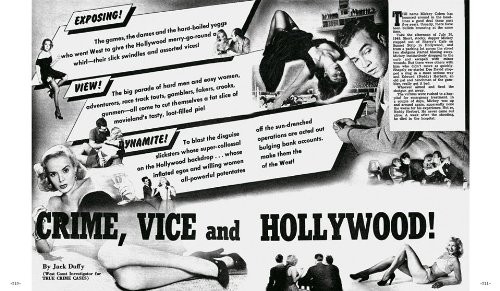
A wonderful wrap-up of this very down market publishing phenomenon whose main title, True Detective, was selling two million copies monthly in the late thirties. Not bad sales considering that it was competing against several dozen imitators on the newsstands. After the Second World War sales of the genre slowly declined decade after decade until the mid-nineties when the remaining eleven titles folded.The 336 pages basically present the decades (from the twenties to the nineties) with hundreds of color covers and a nice touch I thought, quite a few inside spreads. Another title that has plenty of inside spreads and covers is 'Cyanide and Sin: Visualizing Crime in 50s America'. The covers relied on paintings right up the sixties, so much better to exaggerate the sexuality of the distressed dame caught up in some criminal deviance. Contrived studio photos took over from art and all the while over-the-top cover lines promised far more than was inside: True Detective, February 1976 main cover was 14 VICTIMS FOR THE SEX-MAD 'GORILLA MAN!' or True Police Cases, June 1968: SIN, SEX and SADISM in a MALE-FEMALE JAIL!As well as all the covers there are some interesting chapters about the writers, cover artists and a spread about the leading publishers and their titles. The book's author Eric Godtland contributes a feature on the significance of females smoking on so many covers and Marc Gerald tells of his experiences as an editor for True Detective in 1989.True Crime is a beautifully produced book in the Taschen series covering popular print culture. It belongs right next to their 'Men's Adventure Magazines' and the six volume 'History of Men's Magazines' by Dian Hanson.
D**N
Great Pulp Art, and Some Good Inside Information as Well
Although this book from Taschen tilts mostly toward the visual -- and what a feast of illustration it is -- there is some engaging and illuminating text attached, making this a bit more than a coffee table book. A handful of essays by Eric Godtland and two or three others trace the history of the detective pulp magazine from the 1920s through to the end of the 1960s, along the way looking at specific topics such as the depiction of smoking and the use of bondage in illustration. There is also a chapter devoted to very brief but informative biographies of many artists who were responsible for the covers and interior illustrations of these magazines. All in all, an excellent illustrated survey -- the text is repeated, however, with versions in English, French and German, making the book seem thicker than it really is.
Trustpilot
2 months ago
1 week ago